Beforetheapocalypse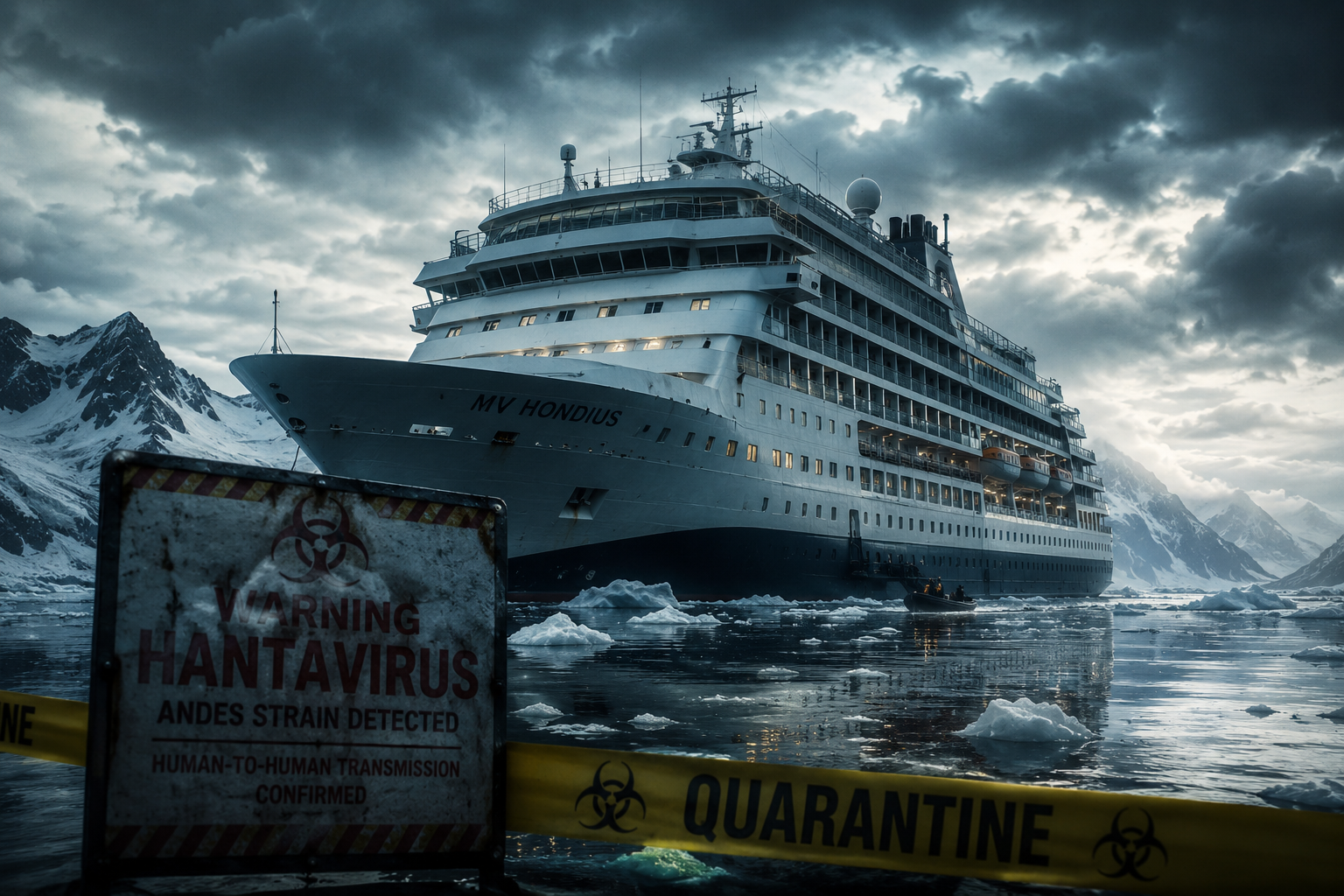
The voyage that returned with more than memories
A research cruise ship traveling through the frozen waters near Antarctica welcomed passengers seeking adventure, glaciers, and untouched landscapes.
They returned home with a virus few people had ever heard of.
Several travelers aboard the vessel later tested positive for the Andes hantavirus, a rare pathogen known for one unsettling characteristic: it can spread from human to human.
Most viruses in its family do not.
Health authorities began quietly tracking passengers who had dispersed across multiple countries and U.S. states. Contact tracing started. Monitoring began. Statements were issued.
The tone of the reports remained calm.
The public was told there was no immediate cause for alarm.
The reassurance phase
Officials explained that the infections appeared limited.
The situation was “under control.”
Experts emphasized that such viruses were rare and typically contained.
Readers reacted the way people did back then:
They scrolled.
They commented.
They moved on.
The story slipped beneath the daily avalanche of headlines.
What makes this article feel different now
From today’s perspective, this archived report carries an eerie familiarity.
A confined travel environment.
An unusual virus.
Passengers spreading across the world before symptoms appeared.
Authorities urging calm while gathering data.
At the time, it was framed as a contained medical event.
A curious anomaly.
Just another story in the endless stream.
Why this fragment survived
Whoever saved this article may have sensed what others didn’t:
Small warnings rarely look dramatic when they first appear.
They look like cruise ships.
Press briefings.
Reassuring statements.
And headlines that fade within days.